Strength in ordinary life
Strength supports carrying, climbing, playing and recovering. It can be trained with simple equipment, patient progression and attention to technique.
Useful strength is not limited to a gym. Standing from a chair, carrying groceries, lifting a child or walking up stairs all involve force and coordination. A thoughtful practice starts with the demands of your life, the equipment available and the amount of recovery you can realistically protect.
Progress can be quiet: control, confidence and repeatability count.
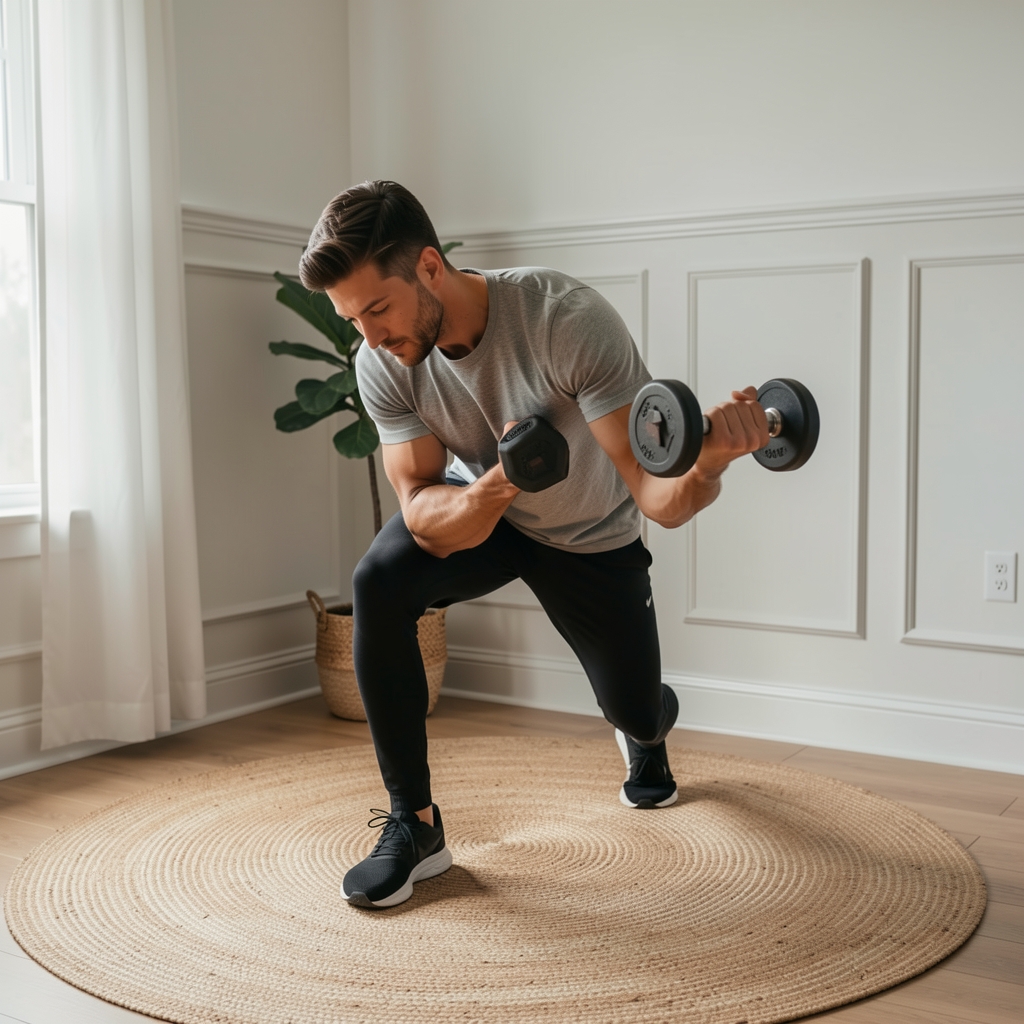
A measured starting point
| Start | Notice | Next consideration |
|---|---|---|
| Light load | Steady breathing and control | Repeat the same demand another day. |
| Bodyweight task | Balance and joint comfort | Use a support or smaller range. |
| Carrying practice | Posture and grip | Shorten the distance before adding weight. |
| New schedule | Recovery and ordinary energy | Leave space between demanding sessions. |
Four principles of practice
- Choose a movement that resembles something you actually do.
- Begin below the point where technique becomes uncertain.
- Repeat long enough to learn what stable effort feels like.
- Change one variable at a time: repetitions, range, time or load.
- Keep the environment clear and the support stable.
- Breathe normally rather than holding your breath through effort.
- Stop for dizziness, sharp pain, unusual breathlessness or instability.

Progress can be quiet
Add time, control or a small amount of load only when the current practice feels stable. Pain, dizziness or unusual breathlessness are reasons to stop and seek advice. A qualified professional can adapt movement for injury, surgery, persistent symptoms or a relevant health condition.
Strength outside the session
Recovery includes sleep, food, rest between efforts and the ability to continue ordinary responsibilities. A demanding plan that disrupts every other part of the week may need a simpler structure. Keep notes about effort and comfort, not just numbers.
Choosing equipment
Household objects can be unpredictable, so use only items with secure handles and stable weight. A resistance band, light dumbbell or sturdy chair may be useful when inspected regularly. Equipment is optional; clear technique and a repeatable setting matter more than appearance.